
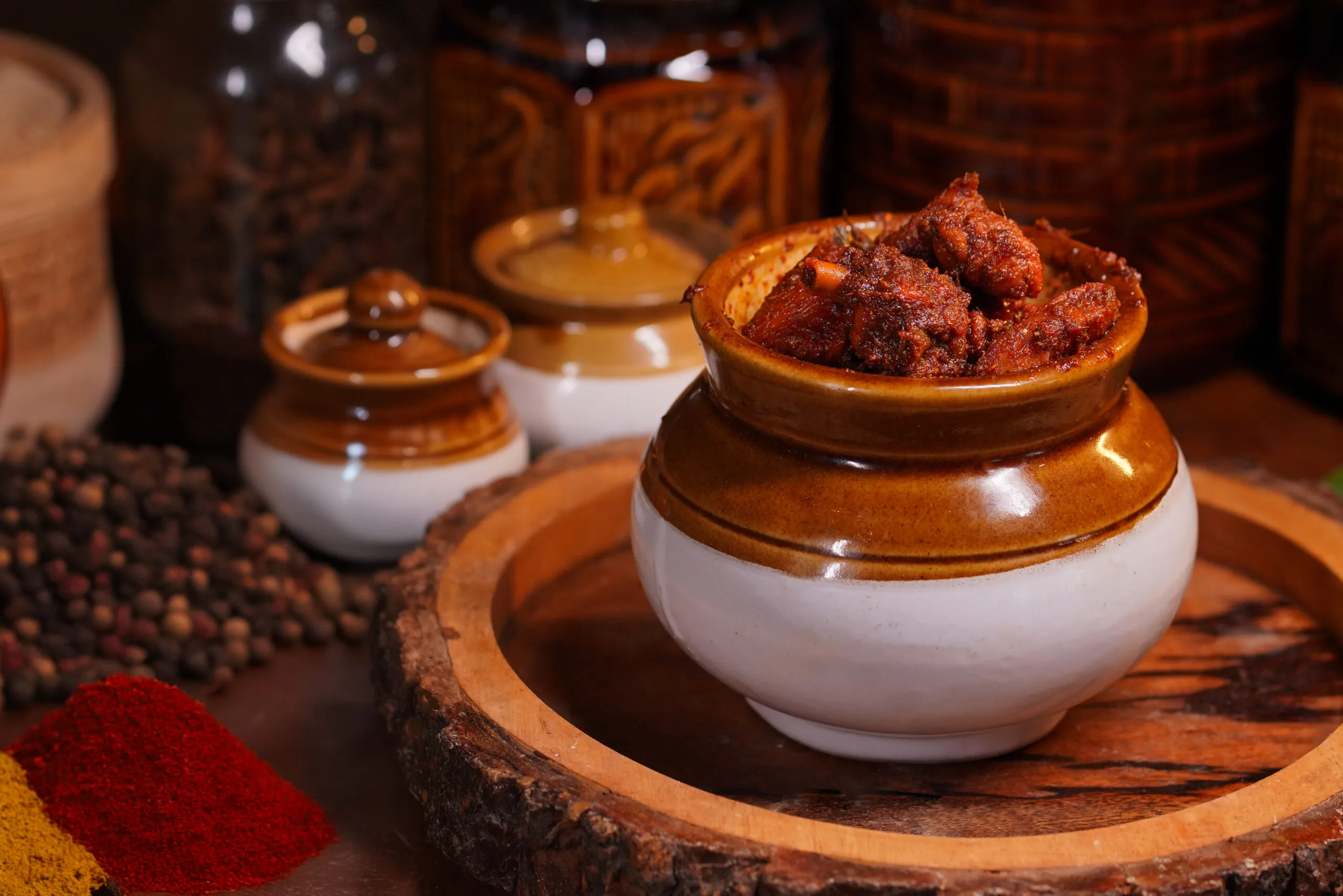
Pickles are a beloved condiment that add a burst of flavor to meals. Whether homemade or store-bought, keeping them fresh for an extended period is essential to maintain their taste, texture, and safety. Here are some effective ways to increase the shelf life of pickles and ensure they remain delicious for a long time.
1. Use High-Quality Ingredients
The longevity of pickles begins with selecting the right ingredients. Fresh vegetables and fruits, quality spices, and pure, unrefined salt help in preserving pickles for an extended time. Always ensure your ingredients are clean and free from any signs of spoilage before pickling.
2. Maintain Proper Hygiene
Sanitizing all equipment, including jars, spoons, and knives, prevents contamination. Glass jars should be sterilized by boiling them in water and allowing them to dry completely before use. Avoid using wet or unclean hands while handling pickles.
3. Use the Right Preservatives
Traditional preservatives like salt, vinegar, and oil play a crucial role in extending pickle shelf life. Salt helps inhibit bacterial growth, vinegar provides acidity that prevents spoilage, and oil forms a protective layer that limits exposure to air and moisture.
4. Store in Airtight Containers
Always use airtight glass or food-grade plastic containers to store pickles. Glass jars are preferred because they are non-reactive and prevent chemical leaching. Ensure the lids are tightly sealed to keep out moisture and air, which can lead to mold growth.
5. Keep Away from Direct Sunlight and Heat
Pickles should be stored in a cool, dry place, away from direct sunlight and heat sources. Exposure to heat can cause fermentation and spoilage. If refrigeration is not an option, a dark pantry or cupboard is ideal.
6. Refrigeration for Longer Shelf Life
While many traditional pickles do not require refrigeration, storing them in the refrigerator can significantly increase their shelf life. This is particularly important for pickles made with less salt or vinegar.
7. Avoid Cross-Contamination
Always use a clean, dry spoon when serving pickles. Introducing moisture or food particles into the jar can accelerate spoilage. Avoid dipping wet or unwashed hands into the pickle jar.
8. Monitor for Signs of Spoilage
Regularly check for signs of spoilage, such as an off smell, mold growth, or gas bubbles. If a pickle smells sour beyond normal fermentation or has visible mold, discard it immediately to prevent foodborne illnesses.
9. Use Oil as a Protective Layer
For oil-based pickles, ensuring a thick layer of oil at the top helps keep them fresh. The oil prevents air from reaching the pickles, reducing the chances of oxidation and spoilage.
10. Properly Seal and Reseal Jars
Each time you open a pickle jar, reseal it tightly. Exposure to air can introduce bacteria and yeast, leading to spoilage. If using plastic or metal lids, ensure they are in good condition and free from rust or cracks.
By following these simple yet effective techniques, you can extend the shelf life of your pickles and enjoy their tangy, spicy, and flavorful goodness for a longer time. Happy pickling!